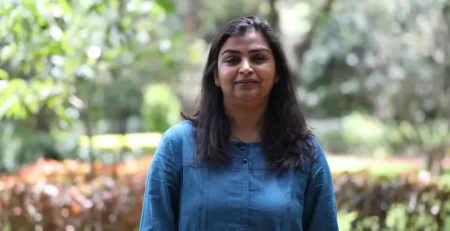
The MIT COVID19 Challenge was a 48-hour virtual ‘hackathon’ aimed at identifying and bringing to market innovative solutions to critical problems caused by the pandemic. 1500 participants in 230+ teams came together from 90 countries to tackle various challenges. Divij’s group, Team Nafasi, proposed an innovative technological solution to reduce disease spread at hospitals and to ensure that non-COVID-19 patients have a safe and familiar way to access healthcare.

Related Posts
The rise and stumble of antibiotics
The discovery of antibiotics was a breakthrough in human history. After Alexander... read more
The way to a vaccine
By Ashwathi V, Anirudha LakshminarasimhanSince December 2019, scientists all over the world... read more
TIGS Communications Coordinator, Ann Vinod, talks about her journey into science communication
Ann Vinod, Communications Coordinator, Tata Institute for Genetics and Society, has around... read more
Venkata Sresty Tavva talks about new approaches in plant genetics research and their significance in improving food security
Dr. Venkata Sresty Tavva is the Group Leader of the Plant Genetics... read more
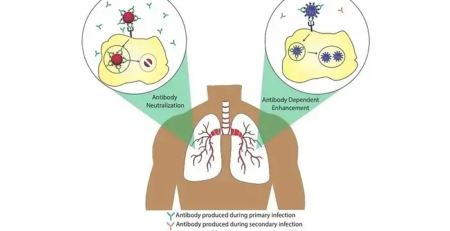
Antibody dependent enhancement: A challenge for vaccine development
By Shweta Yadav Vertebrates, including humans, have a complex immune system, which constantly... read more
COVID19 BLiSc advisory guidelines
The Bangalore Life Science Cluster (BLiSc) campus, in which TIGS is located,... read more
TIGS at India Science Festival 2021
The Tata Institute for Genetics and Society (TIGS) has been a proud... read more
Epigenetics and Health
By Dr Rakesh Mishra, Director, TIGS Organisms inherit their genetic make-up as a... read more
Farah Ishtiaq talks about her adventures as a field ecologist and using evolutionary ecology to understand how vector-borne diseases spread.
Dr Farah Ishtiaq is a Senior Scientist at TIGS, and she uses... read more
Wastewater epidemiology – The Bengaluru Story
Wastewater epidemiology is an approach where the wastewater generated by humans is... read more