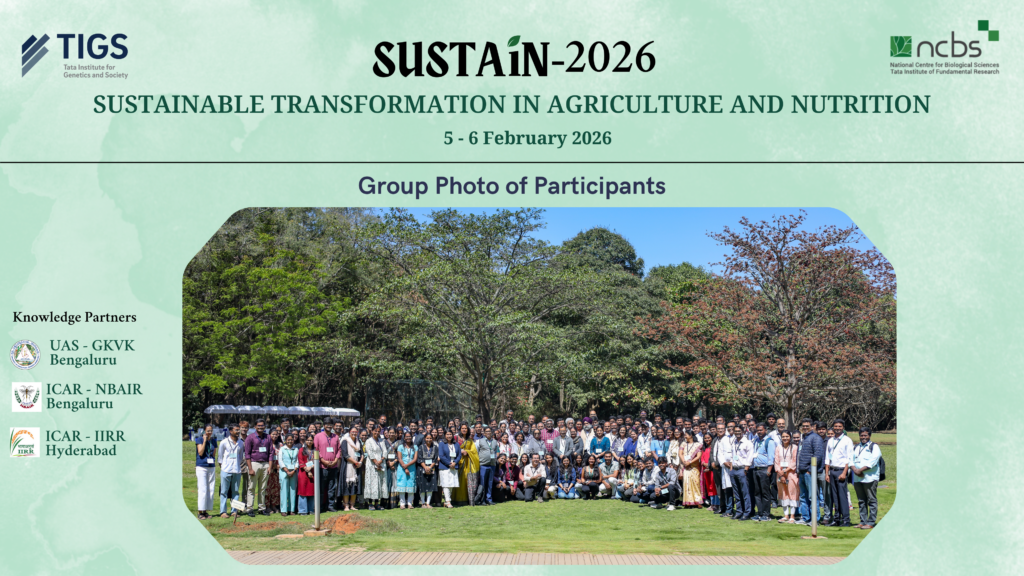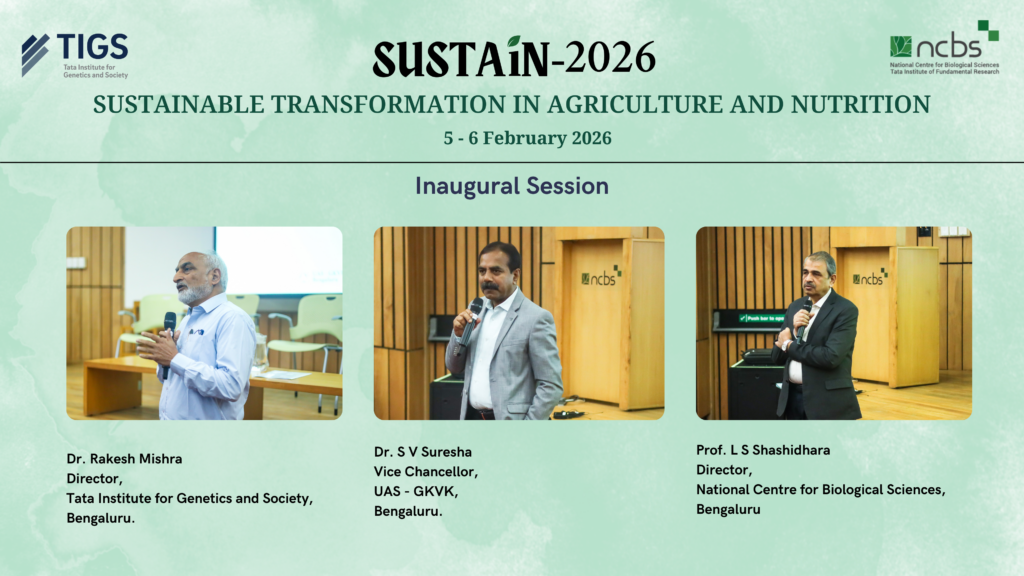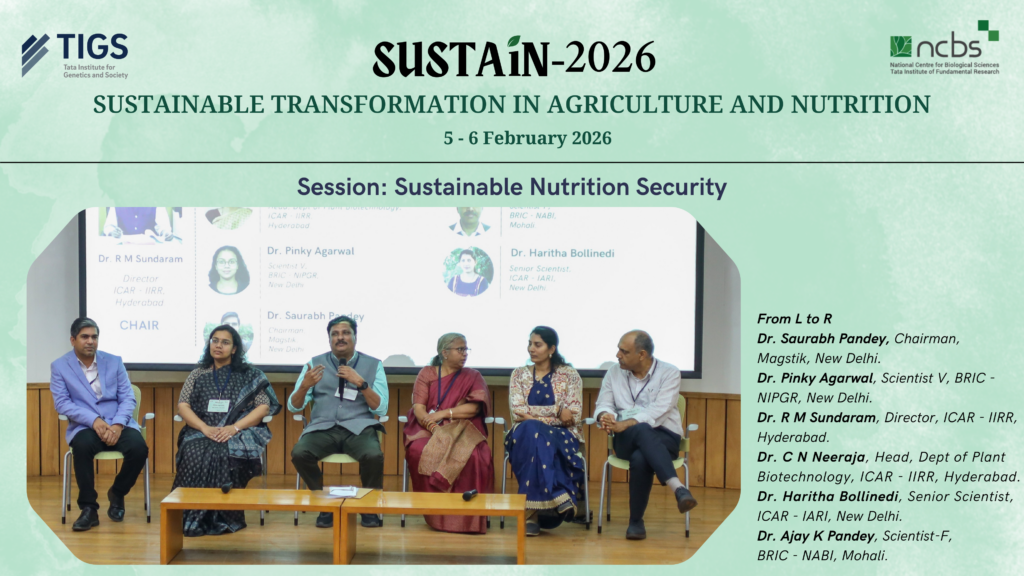
TIGS along with National Centre for Biological Sciences, Bengaluru (NCBS) successfully convened, Sustainable Transformation in Agriculture and Nutrition (SUSTAiN) – 2026 on 5–6 February at the BLiSC campus. The two-day meeting brought together researchers, industry representatives, policymakers, and students to exchange ideas and explore collaborative approaches for advancing sustainable and equitable agriculture.
A special mention to our knowledge partners, the University of Agricultural Sciences (UAS, GKVK) Bengaluru, ICAR–National Bureau of Agricultural Insect Resources (ICAR-NBAIR) Bengaluru, and ICAR–Indian Institute of Rice Research (ICAR-IIRR) Hyderabad who played a vital role in organising this event.
With participation of over 250 attendees including more than 90 poster presentations, SUSTAiN 2026 served as a vibrant platform for knowledge sharing and engagement across disciplines. The program featured keynote talks, thematic sessions, poster interactions, and a multi-stakeholder panel discussion, fostering meaningful dialogue on scientific innovation and translation to practice.
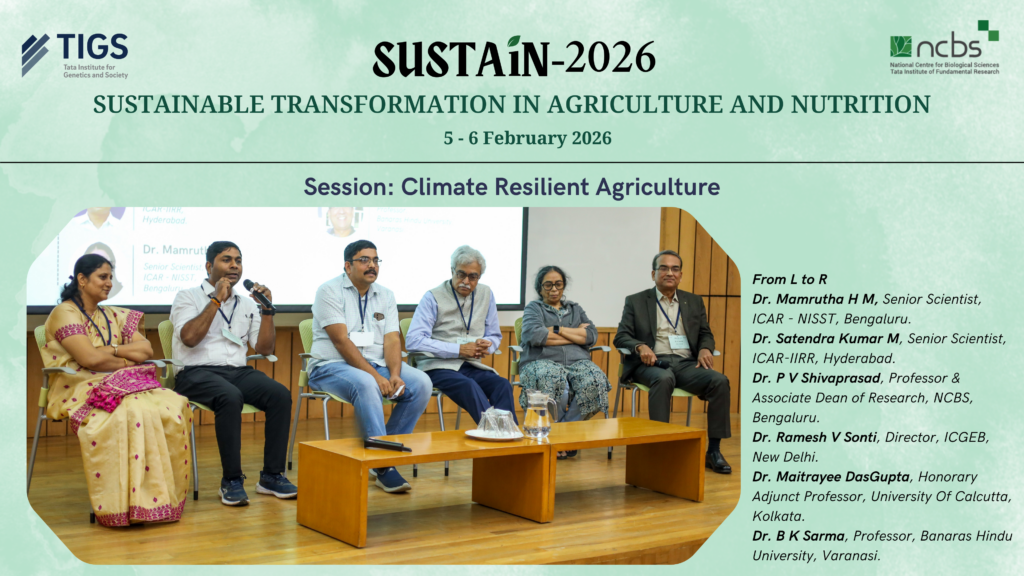
Climate-Resilient Agriculture
Speakers highlighted biotechnological and genomic strategies to enhance crop productivity and resilience under changing environmental conditions, including advances in genome editing, microbial interactions, and integrated breeding approaches.
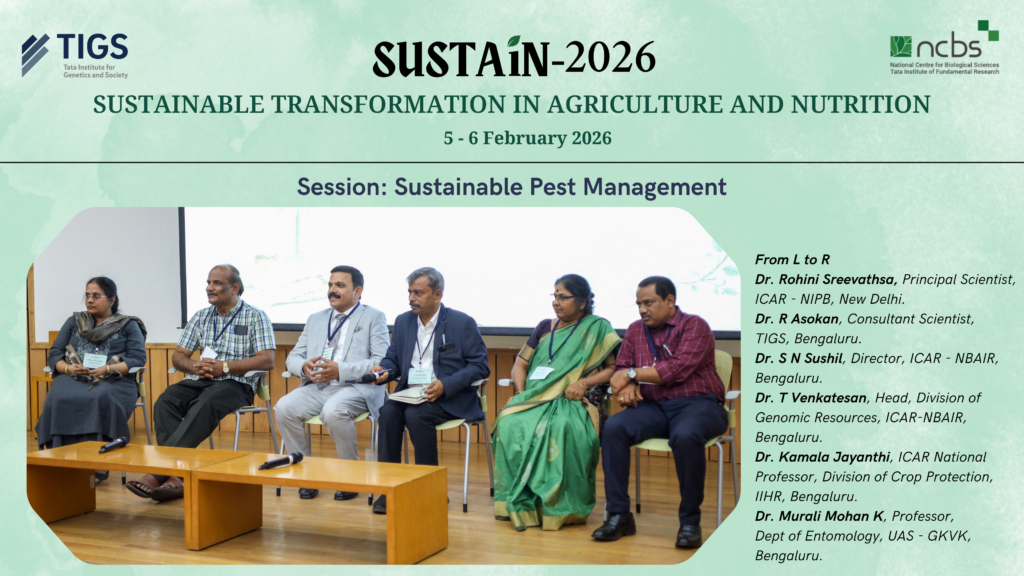
Sustainable Pest Management
Discussions focused on environmentally responsible pest control, the growing challenge of insecticide resistance, and the potential of molecular and CRISPR-based approaches to strengthen integrated pest management systems.
Nutrition Security
Presentations showcased progress in biofortification, functional genomics, and breeding innovations aimed at improving the nutritional quality of staple crops and bridging the gap between research and real-world deployment.
From Dialogue to Impact
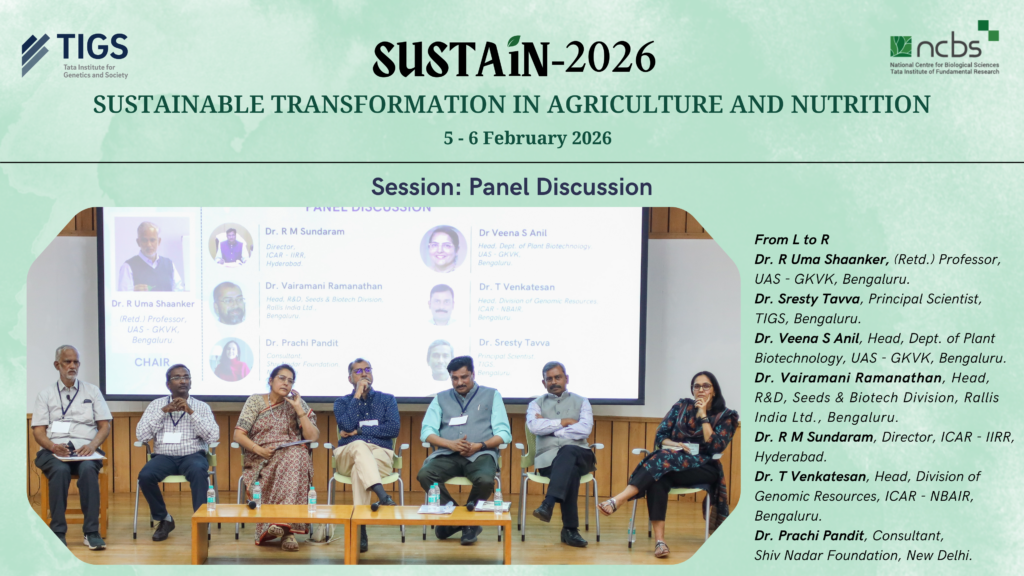
The concluding panel discussion brought together voices from academia, industry, and policy to examine pathways for translating scientific innovation into scalable agricultural solutions. The conversation underscored the importance of partnerships, regulatory alignment, and cross-sector engagement to ensure research outcomes benefit farmers, consumers, and communities.
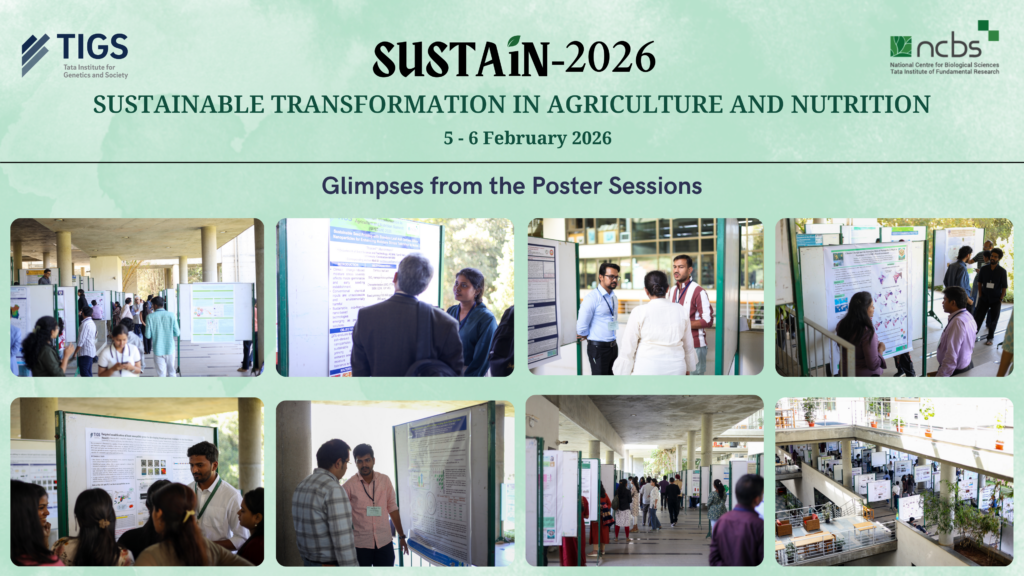
Poster sessions across both days enabled early-career researchers and students to present emerging work, exchange feedback, and network, contributing to the collaborative spirit of the event.
TIGS extends its sincere appreciation to all speakers, panelists, poster presenters, collaborators, and other participants whose contributions made the event a success. We look forward to building on the momentum generated through SUSTAiN 2026 and advancing collective efforts toward building sustainable agriculture solutions and nutrition systems in India.
Meeting proceedings of SUSTAiN 2026 will be available soon. Follow this space for updates!